← Back to All Blogs
Why Traditional Businesses Are Resisting Adopting New Technologies
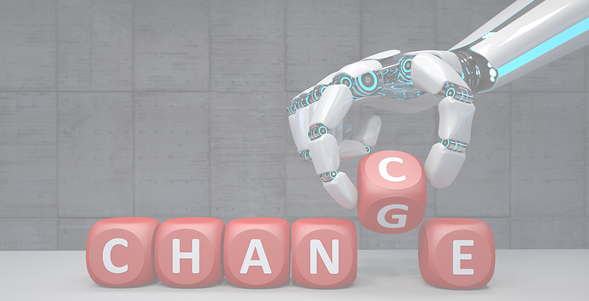
Change is an inevitable part of life. Things are constantly changing and evolving, and we must adapt to these changes to move forward. This can be seen in many different aspects of life, from personal relationships to technological advancements to shifts in societal norms. Change can be difficult to accept and deal with at times, but it is also an opportunity for growth and progress.
The Opportunity in Change for Business
Change can bring a variety of opportunities for businesses. For example, changes in the market or technology can create new needs or demand for products or services that a business can capitalize on. Changes in consumer preferences or behaviour can also present opportunities for businesses to adapt and offer products or services that meet these changing needs.
Changes within a business, such as implementing new processes or strategies, can lead to increased efficiency and effectiveness, which can ultimately lead to increased profits and success. Changes can also provide an opportunity for businesses to diversify and expand their offerings, which can help to mitigate risk and increase resilience. Overall, while change can be challenging, it can also bring new opportunities for businesses to grow and adapt to stay competitive and thrive in a constantly evolving market.
Characteristics of Traditional Companies
As a company, if you can identify yourself with the following statements in a business environment that is changing:
• Hierarchical structure: Traditional businesses tend to have a hierarchical structure, with a clear chain of command and decision-making authority.
• Product- or service-based: Traditional businesses typically produce or sell a product or service to their customers.
• Profit-oriented: The primary goal of traditional businesses is to generate profits for their owners or shareholders.
• Limited adaptability: Traditional businesses can be slower to adapt to changes in the market or industry, as they tend to be more established and have established ways of operating.
The Cost of Outdated Technology
• Limited use of technology: Traditional businesses may be less likely to embrace new technologies and may rely more on traditional methods of operation.
• Limited use of computers: If a business is still using pen and paper to track and manage its operations, it may not have invested in computers or other digital tools.
• Manual processes: Businesses that rely on old-school technologies may have slower, more manual processes in place for tasks such as invoicing, order tracking, and inventory management.
• Limited data storage: Without digital tools, businesses may struggle to store and access large amounts of data, and may rely on physical records such as paper files and folders.
• Inefficient communication: Without email or other digital communication tools, businesses that rely on pen and paper technologies may have difficulty communicating with employees, customers, and suppliers promptly.
• Limited ability to analyze data: Without digital tools for data analysis, businesses may struggle to gain insights from their data and make informed decisions. The overhead costs associated with traditional operations can be significant, and businesses that adopt modern technologies may be able to reduce these costs and increase efficiency.
Convincing the Traditional Business User
To convince traditional business users to adopt modern technologies, it would be important to first understand their reasons for using traditional technologies and address any concerns or objections they may have. Some common reasons why people may still be using pen-and-paper technologies include a lack of knowledge or experience with modern technologies, a fear of change, or a belief that pen-and-paper technologies are still the most effective or efficient way to do certain tasks.
To address these concerns and objections, it would be necessary to provide information and education about the benefits of modern technologies and how they can help improve efficiency, accuracy, and productivity. This could include providing demonstrations of the new technologies, conducting training sessions, and offering support to help users become proficient in using the new tools. It may also be helpful to highlight specific examples of how other organizations or industries have successfully transitioned from traditional technologies to modern technologies, and the benefits they have experienced as a result. This can help to show that transitioning to modern technologies is not only possible but can also lead to significant improvements in the way an industry operates.
The Transition: A Roadmap to Modernization
For industries that are still using pen-and-paper technologies to run their business, a few steps could be taken to modernize and improve their operations. The first step would be to assess the industry’s current state and identify specific areas where pen and paper technologies are still being used. This would involve conducting interviews with industry stakeholders and conducting research to understand the current processes and technologies being used.
Once the specific areas where pen and paper technologies are still being used have been identified, the next step would be to explore the various options for replacing these technologies with more modern and efficient alternatives. This could involve implementing new software systems or digital tools that can help automate and streamline various processes, such as customer relationship management, inventory management, and financial reporting.
In addition to implementing new technologies, it may also be necessary to provide training and support to industry stakeholders to help them transition to the new systems and tools. This could include providing tutorials, user guides, and other resources to help them become proficient in using the new technologies.
The key to modernizing an industry that is still using traditional technologies is to identify the specific areas where these technologies are still being used, explore the various options for replacing them with more modern and efficient alternatives, and provide training and support to help industry stakeholders make the transition.
Fear of Change: The Root of Resistance
Why are some industries stuck in the past and haven’t moved on? One of the main reasons is fear, and that comes in many facets. When people are afraid of losing their status or are scared of change, it can be challenging to approach the transition to more efficient technologies. In traditional industries, there are several reasons why technology can be intimidating to many people.
One of the main reasons is that technology is constantly changing and evolving, and it can be difficult for some people to keep up with these changes. This can lead to feelings of uncertainty and anxiety, as people may worry that they will be left behind or become obsolete if they don't keep up with the latest technologies.
Another reason why technology creates fear is that it often involves learning new skills and ways of doing things. This can be intimidating for some people, especially if they are not comfortable with change or have limited experience with technology. Additionally, technology can be scary because it can sometimes seem impersonal. For example, when dealing with automated systems or virtual assistants, people may feel like they are being replaced or that they are not as valuable as they used to be. This can lead to feelings of insecurity and anxiety. Technology can be scary to many people because it involves constant change, the need to learn new skills, and the potential to feel impersonal or replaced.
Addressing Key Feelings of Resistance
When an organization plans to move from old technology to new, it is important to address a few key feelings that may be driving its resistance to adaptation. These include: • Fear of change: Many people may be resistant to moving to new technology because they are afraid of change. They may worry that the new technology will be difficult to use or that they will be unable to adapt to it. It is important to address these fears and provide support and reassurance to help people overcome them.
• Fear of failure: Some people may be hesitant to move to new technology because they are afraid of failing or making mistakes. They may worry that they won't be able to learn the new technology or that they will make errors that will have negative consequences. It is important to address these fears and provide support and guidance to help people feel confident and capable of using the new technology.
• Fear of the unknown: Many people may be resistant to new technology because they are unsure of what it will entail or how it will work. They may have questions or concerns about the specific features or capabilities of the technology and may be unsure of how it will fit into their current workflows or processes. It is important to address these concerns and provide information and education to help people understand and become comfortable with the new technology. End of the day, the key feelings to address when convincing someone to move from old technology to new are fear of change, fear of failure, and fear of the unknown. By addressing these feelings and providing support and guidance, you can help people overcome their resistance and embrace the new technology.A Supportive Approach to Change
One effective approach to addressing fear of change is to involve people in the decision-making process and provide them with opportunities to provide input and feedback on the changes that are being proposed. This can help to build trust and ensure that the transition to more efficient technologies is done in a way that is fair and beneficial to all stakeholders. It may also be helpful to create a sense of community and support among those who are transitioning to new technologies. This could involve forming groups or teams where people can share their experiences and support each other through the process. This can help to reduce feelings of isolation and provide a sense of camaraderie during the transition. To summarize and move on to addressing the fear of change and helping people transition to more efficient technologies is to provide education, support, and opportunities for involvement and input in the decision-making process, and to create a sense of community and support among those who are transitioning.
Tools to Implement New Technologies
Whether you are driving the change from the inside of the organization or you are outside of the business like a consultant, there are a few ways to convince traditional people that technology can bring more value to them than it takes away. Here are a few potential approaches:
• Show them how technology can save time, improve accuracy and increase productivity. Many traditional people may be resistant to technology because they believe it is time-consuming or difficult to use. By showing them examples of how technology can automate tedious tasks or help them work more efficiently, you can demonstrate the value it can bring.
• Highlight the benefits of technology for staying connected and informed. Traditional people may be hesitant to embrace technology because they believe it isolates people or disconnects them from their communities. By showing them how technology can be used to stay connected with friends, family, and colleagues, and to access information and resources, you can help them see its value.
• Emphasize the potential of technology to improve the quality of life. Traditional people may be resistant to technology because they believe it is unnecessary or frivolous. By highlighting how technology can be used to improve health, safety, and overall well-being, you can help them see its value and convince them to embrace it.
Practical Steps for Implementation
Address concerns and objections. People may have concerns or objections about the new technology, such as fears of change or worries about their ability to use it. It is important to listen to these concerns and address them in a respectful and supportive manner.
Involve people in the decision-making process. It can be helpful to involve people in the decision-making process and give them opportunities to provide input and feedback on the new technology. This can help to build trust and ensure that the technology is implemented in a way that is fair and beneficial to all stakeholders.
Provide ongoing support and guidance. It is important to provide ongoing support and guidance to help people continue to learn and use the new technology. This could involve setting up support groups or teams where people can share their experiences and provide support to each other.
Demonstrating to traditional people that technology can bring more value to them than it takes away is to show them how it can save time and increase productivity, help them stay connected and informed, and improve the quality of their lives.